There is a recall for more than 260,000 cases of shredded cheese sold in 31 states and Puerto Rico because of the potential for metal fragment contamination, according to the U.S. Food and Drug Administration.
The FDA said that the various shredded cheeses were recalled by Great Lakes Cheese Co. The cheese products are sold under private store-brand labels at several retailers, including Target, Walmart and Aldi.
The recall includes various cheeses such as mozzarella, Italian style, pizza style, mozzarella and provolone and mozzarella and parmesan.
The recall has a Class II classification, because the product “may cause temporary or medically reversible adverse health consequences or where the probability of serious adverse health consequences is remote,” according to the FDA's website.
An FDA says ingesting metal fragments may cause injuries such as dental damage, laceration of the mouth or throat, or laceration or perforation of the intestine.
LATEST POSTS
- 1
 The Appearance of Experience: Embracing the Reduced Portage Horse
- 2Which game do you cherish observing live? Vote!
- 3Drenched in Pixels: A Survey of \Vivid Interactivity Experience\ Game
- 4The Ascent of the Kona SUV: How Hyundai's Reduced Hybrid Is Vanquishing the Streets
- 5The most effective method to Decide the Best Auto Crash Attorney for Your Lawful Necessities


- Why Tourists May Want To Reconsider Traveling To This Popular Spot In Italy In 2026
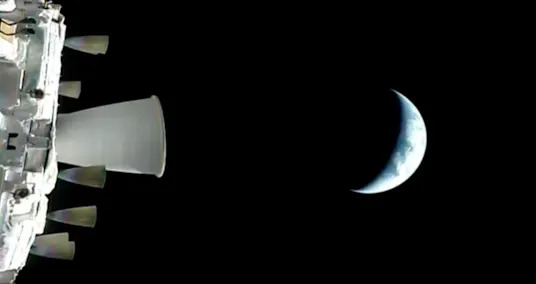
- NASA Artemis II tracker: Crew less than 60,000 miles from moon ahead of Monday flyby
- UK to hold fresh pork, other affected Spanish products at border amid African swine fever outbreak
- Pick Your Number one sort of blossom
- Israel, Gulf states report fresh missile and drone attacks
- From White Elephant to Favorite Things parties, here are all the rules you need to know every kind of gift exchange
- Shas threatens to oppose 2026 state budget over haredi food-voucher exclusion
- The Most recent Microsoft Surface Star PC: Ideal for Top of the line Planning and Gaming Needs
- Arctic is again the hottest it's been in 125 years, with record-low sea ice, NOAA report says