- CONTACT US
- AFS
- Business
- Bussiness
- Car
- Career
- Celebrity
- Digital Products
- Education
- Entertainment
- Fashion
- Film
- Food
- Fun
- Games
- General Health
- Health
- Health Awareness
- Healthy
- Healthy Lifestyle
- History Facts
- Household Appliances
- Internet
- Investment
- Law
- Lifestyle
- Loans&Mortgages
- Luxury Life Style
- movie
- Music
- Nature
- News
- Opinion
- Pet
- Plant
- Politics
- Recommends
- Science
- Self-care
- services
- Smart Phone
- Sports
- Style
- Technology
- tire
- Travel
- US
- World
Instructions to Help a Friend or family member Determined to have Cellular breakdown in the lungs
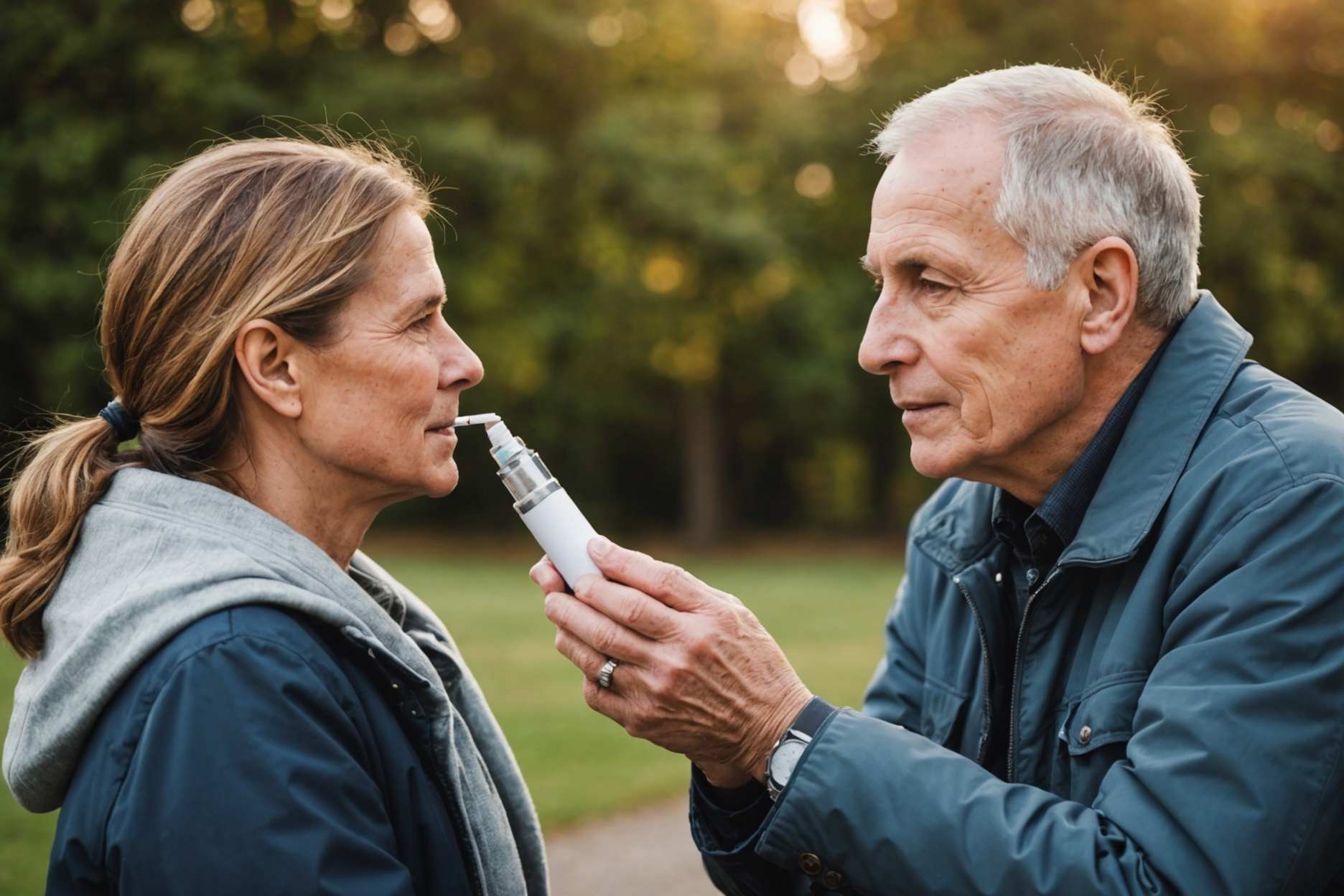
Getting the news that a friend or family member has been determined to have cellular breakdown in the lungs can be a staggering profound encounter. The current situation is hard for both the patient and their family; nonetheless, knowing how to offer help can bring solace and strength. This guide offers ways of being there for your cherished one during this difficult stage.
**Dynamic Listening:** Undivided attention implies hearing as well as completely captivating with, fathoming, and answering what somebody is sharing.
**The Force of Presence:** Patients frequently manage a scope of feelings, from dread to outrage. Essentially being available, loaning a shoulder to rest on, and permitting them to communicate their thoughts can be unquestionably remedial.
**Keeping away from Clich\x1s:** Explanations like \All will be great\ may seem consoling yet can feel pretentious. All things considered, credible sympathetic reactions, for example, \I'm hanging around for you\ are really consoling.
**Instruct Yourself:** Information is engaging. Finding out about cellular breakdown in the lungs, including its stages, medicines, and anticipation, can essentially improve your capacity to offer help.
**Research Reliability:** Counseling trustworthy hotspots for information is urgent. Falsehood can prompt superfluous nervousness.
**Shared Learning:** Sharing your discoveries can lighten sensations of separation for your cherished one and advance cooperative direction.
**Go with Them to Appointments:** Clinical arrangements can be overpowering because of the surge of data and choices.
**Go about as a Scribe:** Taking notes during conversations can support holding data about ensuing medicines or systems.
**Advocacy:** If your adored one feels reluctant or overpowered, you can address their interests or offer important conversation starters for their sake.
**Assist with Day to day Tasks:** The physical and close to home effect of disease can be debilitating, causing ordinary assignments to feel overwhelming.
**Offer Explicit Help:** Rather than an obscure \Let me know as to whether you really want anything,\ give substantial help, for example, taking care of shopping for food or clothing, making it more straightforward for them to acknowledge help.
**Coordinate a Help Network:** Work along with companions or family to lay out a timetable, guaranteeing your cherished one gets predictable help without putting the weight on one person.
**Support Self-Care:** While clinical therapies address the actual parts of malignant growth, taking care of oneself is vital for close to home and psychological wellness.
**Investigate Unwinding Techniques:** Acquaint them with rehearses like reflection, profound breathing, or moderate muscle unwinding to assist with easing pressure.
**Cultivate Engagement:** Energize support in side interests or exercises they esteem, like perusing, painting, or paying attention to music; these can give snapshots of break in difficult stretches.
Supporting a friend or family member with cellular breakdown in the lungs requires persistence, sympathy, and love. By being a relentless wellspring of solidarity and understanding, you can assist with exploring the troublesome excursion of the determination, guaranteeing they never feel alone. Make sure to focus on your own taking care of oneself, as providing care can interest. Together, with versatility and love, confronting cellular breakdown in the lungs turns into a common excursion.
**Dynamic Listening:** Undivided attention implies hearing as well as completely captivating with, fathoming, and answering what somebody is sharing.
**The Force of Presence:** Patients frequently manage a scope of feelings, from dread to outrage. Essentially being available, loaning a shoulder to rest on, and permitting them to communicate their thoughts can be unquestionably remedial.
**Keeping away from Clich\x1s:** Explanations like \All will be great\ may seem consoling yet can feel pretentious. All things considered, credible sympathetic reactions, for example, \I'm hanging around for you\ are really consoling.
**Instruct Yourself:** Information is engaging. Finding out about cellular breakdown in the lungs, including its stages, medicines, and anticipation, can essentially improve your capacity to offer help.
**Research Reliability:** Counseling trustworthy hotspots for information is urgent. Falsehood can prompt superfluous nervousness.
**Shared Learning:** Sharing your discoveries can lighten sensations of separation for your cherished one and advance cooperative direction.
**Go with Them to Appointments:** Clinical arrangements can be overpowering because of the surge of data and choices.
**Go about as a Scribe:** Taking notes during conversations can support holding data about ensuing medicines or systems.
**Advocacy:** If your adored one feels reluctant or overpowered, you can address their interests or offer important conversation starters for their sake.
**Assist with Day to day Tasks:** The physical and close to home effect of disease can be debilitating, causing ordinary assignments to feel overwhelming.
**Offer Explicit Help:** Rather than an obscure \Let me know as to whether you really want anything,\ give substantial help, for example, taking care of shopping for food or clothing, making it more straightforward for them to acknowledge help.
**Coordinate a Help Network:** Work along with companions or family to lay out a timetable, guaranteeing your cherished one gets predictable help without putting the weight on one person.
**Support Self-Care:** While clinical therapies address the actual parts of malignant growth, taking care of oneself is vital for close to home and psychological wellness.
**Investigate Unwinding Techniques:** Acquaint them with rehearses like reflection, profound breathing, or moderate muscle unwinding to assist with easing pressure.
**Cultivate Engagement:** Energize support in side interests or exercises they esteem, like perusing, painting, or paying attention to music; these can give snapshots of break in difficult stretches.
Supporting a friend or family member with cellular breakdown in the lungs requires persistence, sympathy, and love. By being a relentless wellspring of solidarity and understanding, you can assist with exploring the troublesome excursion of the determination, guaranteeing they never feel alone. Make sure to focus on your own taking care of oneself, as providing care can interest. Together, with versatility and love, confronting cellular breakdown in the lungs turns into a common excursion.
LATEST POSTS
- 1
 Let them eat (Taylor Swift) cake: The baker turning A-listers into life-size desserts
 - 2King Charles shares cancer treatment update, says it's a 'personal blessing'
- 3Early diagnosis leads King Charles to scale back cancer treatment in the new year
- 4Mont Blanc road tunnel reopens to traffic after 15 weeks of repairs
- 5Bavarian leader questions Germany's Eurovision participation


Share this article
- A single shot of HPV vaccine may be enough to fight cervical cancer, study finds
- Doctors seek to understand why quitting antidepressants causes withdrawal for some
- Global measles cases drop 71% in 24 years as vaccination coverage improves, WHO says
- Instructions to Pick the Right Toothpaste for Your Dental Requirements
- Discovering a sense of harmony: Individual Accounts of Reflection and Care
- Get Cooking: 15 Speedy and Heavenly Recipes for Occupied Individuals
- Regeneron's experimental therapy combo effective in untreated cancer patients
- Brave Climbing: Trails and Stuff for Outside Lovers
- Newly discovered link between traumatic brain injury in children and epigenetic changes could help personalize treatment for recovering kids